Filtration & Protein Skimmers
RO/DI Water for Reef Tanks: Why Tap Water Will Crash Your Reef
How RO/DI works, why TDS-zero water matters for reef chemistry, and what to look for in a 4-stage unit.
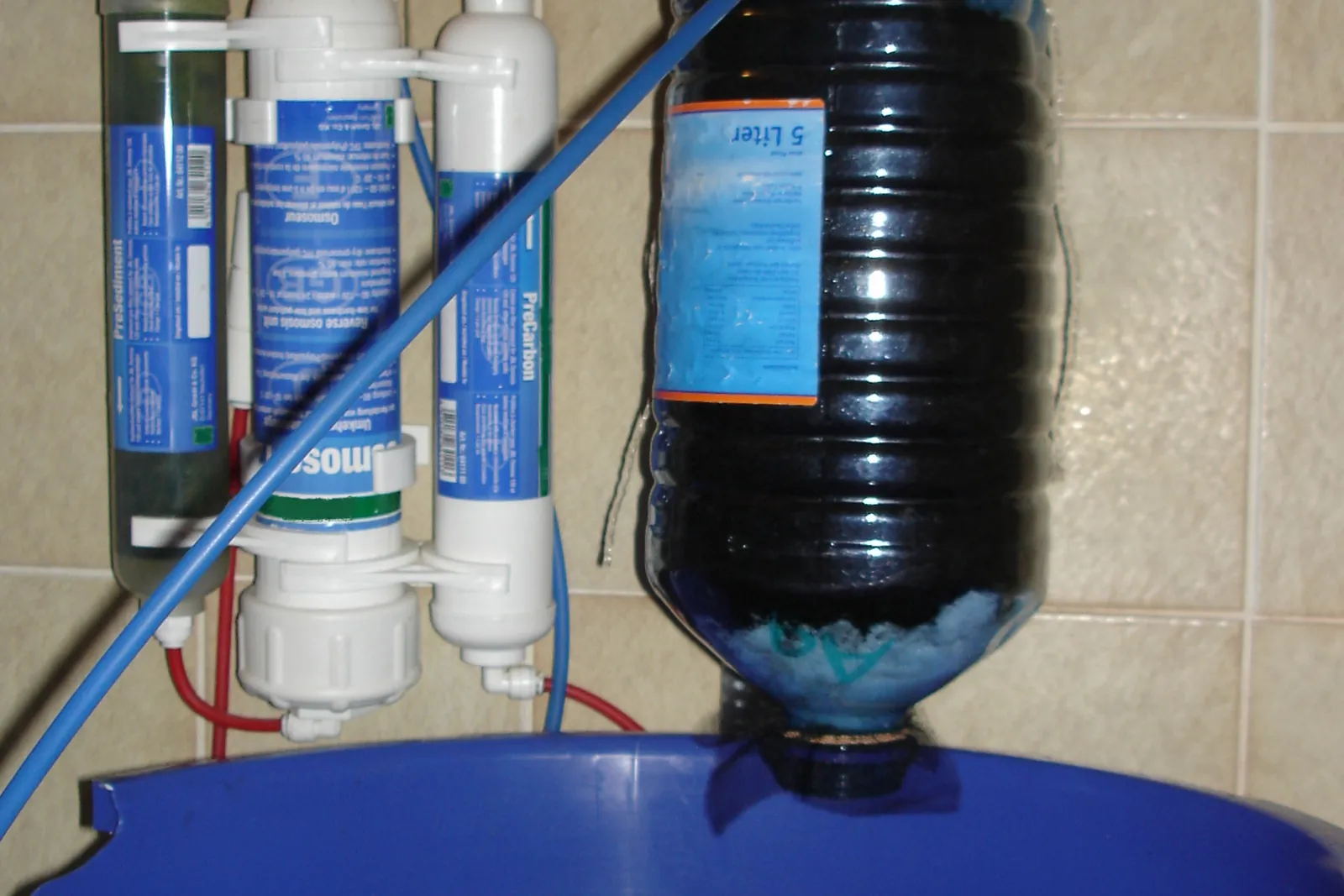
Tap water contains chlorine, chloramines, copper, phosphates, silicates, and dissolved minerals that drive algae and stress livestock. RO/DI removes 99% of all dissolved solids, giving you the blank canvas your salt mix needs.
How a 4-stage unit works
- Sediment filter (5 micron) catches dirt and rust.
- Carbon block removes chlorine and chloramines.
- RO membrane removes 95–98% of dissolved solids.
- DI resin polishes the remaining 2–5% to TDS 0.